Trust Your Gut: The Human Advantage
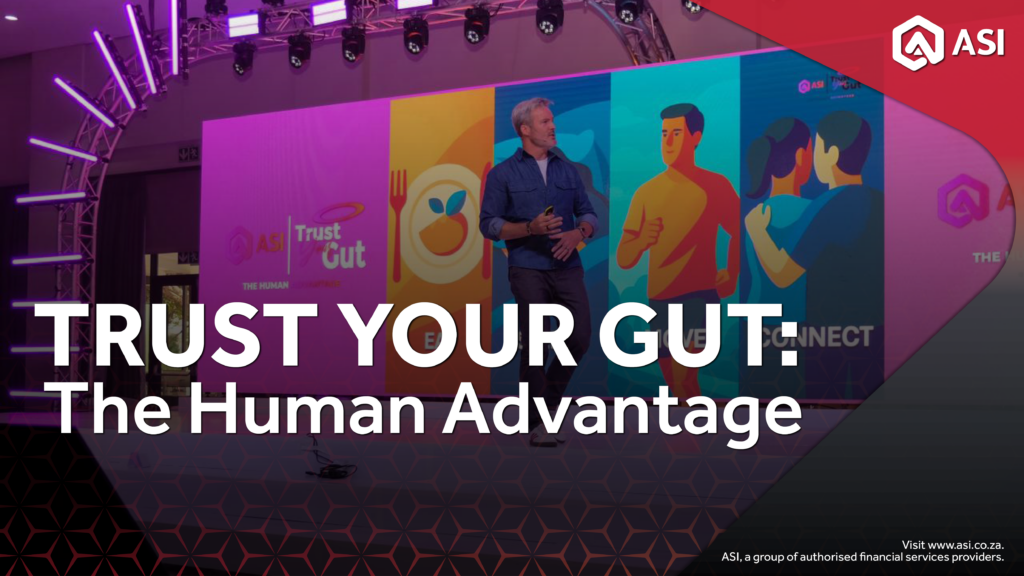
Trust your gut: The Human Advantage
We live in an era of data overload and AI-driven decision-making, yet the most effective leaders of 2026 are turning inward and the science behind this shift is redefining how we think about health, work, and daily habits.
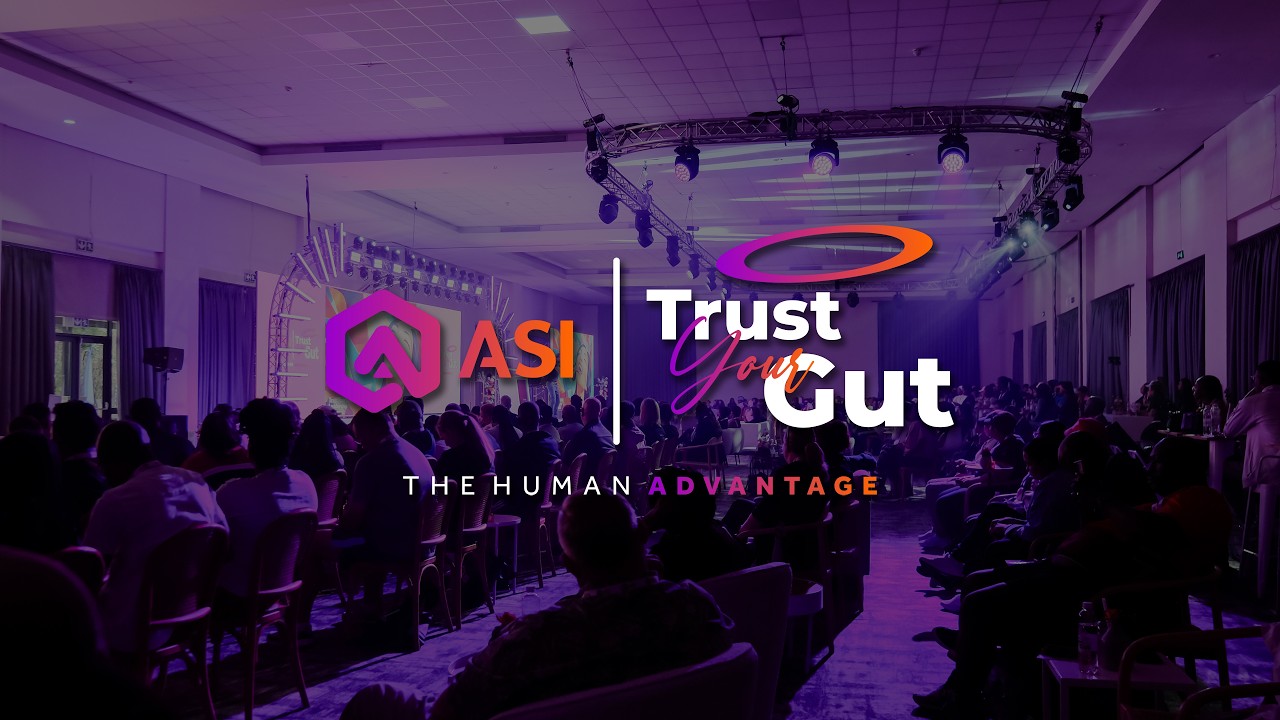
ASI, in partnership with Medihelp, recently hosted the Trust Your Gut: The Human Advantage wellness experience at the Indaba Hotel in Fourways, bringing together HR leaders, C-suite executives, and wellness advocates for a compelling conversation about what truly drives human performance.
But the conversation went further than gut instinct. The event challenged a long-held assumption: that wellness is simply defined by gym memberships and step challenges Instead, it argued that wellness is a strategic driver of human performance rooted in biology, energy, and intuition. Wellness innovation doesn’t come from doing more, but from measuring differently.
The speakers: bridging science and strategy
The event featured a carefully curated lineup of speakers bridging medical science and corporate strategy:
MC Mojak Lehoko, a multi-award-winning comedian and actor, made complex neurological concepts accessible and entertaining. Keynote speakers Dr. Michael Mol and Dr. Justin Cohen delivered the scientific and strategic backbone of the day, looking at the biological necessity of gut health for resilience and long-term organisational success.
The event also featured an expert panel, including Khethiwe Nkuna, Nishan Pillay, Nasriyn Snell, and Shaun Barns, collectively made the case that wellness is not a nice-to-have, but a core leadership strategy that belongs at the heart of every organisation’s people agenda.
From wellness benefits to human performance: A shift that affects everyone
A fundamental shift is underway in how leading organisations approach workplace wellbeing. The old one-size-fits-all model is giving way to something far more strategic: wellness understood as cognitive capacity, resilience, and adaptability. The event unpacked four key insights reshaping how we understand performance:
- The energy economy: For decades, productivity has been measured in time, hours worked, and deadlines met. But research increasingly shows that energy, not time, is the true limiting factor in human performance. Cognitive fatigue leads to poorer decision-making, and leaders with higher physiological resilience consistently outperform their peers. Sustainable performance comes from managing biological energy systems, not just schedules.
- The 90% serotonin factor: Approximately 90% of the body’s serotonin the neurotransmitter responsible for mood regulation, emotional balance, and stress resilience is produced in the gut. A compromised microbiome doesn’t just affect digestion; it affects how clearly you think and how well you cope under pressure. For HR professionals and individuals alike, this is a finding that is impossible to ignore.
- The hidden cost of cognitive load: Modern executives are operating under unprecedented cognitive pressure. Decision fatigue erodes executive effectiveness, elevated stress hormones impair strategic thinking, and chronic overload diminishes creativity. The event made a bold but increasingly validated argument: the biggest risk to strategy execution is not competition, it is cognitive exhaustion in leadership teams.
A sobering moment during the event asked attendees to raise their hands if they had slept seven hours the night before, exercised that week, had uninterrupted thinking time that day, and properly disconnected from work the day before. In a room full of senior leaders, very few hands went up. The gap between what we know and how we actually operate is, as the event framed it, exactly where performance is lost.
The future of corporate wellness
The event outlined three emerging trends shaping the future of corporate performance:
Precision wellness: The era of one-size-fits-all programmes is ending. Forward-thinking organisations are moving toward personalised health and performance insights tailored to individual needs, roles, and contexts, making interventions relevant, timely, and impactful.
Human capital intelligence: Just as companies measure financial capital with precision, they are beginning to measure human capital with equal rigour, tracking resilience, energy levels, cognitive performance, and engagement. These are no longer soft metrics; they are leading indicators of business performance.
Thriving cultures: The most successful organisations will not simply support wellness; they will design environments that enable people to perform at their edge. This means creating space for deep thinking, reducing unnecessary cognitive load, enabling recovery and renewal, and building cultures where high performance is sustainable.
The future of wellness is about unlocking human potential at both the organisational and deeply personal level. For HR leaders, the mandate is clear: move wellness from a line item to a performance strategy. For individuals, the message is equally direct: the way you eat, sleep, move, and recover is inseparable from how you lead, create, and contribute. The question is no longer whether to invest in wellness, it is whether you are ready to treat your own biology as your most valuable asset.